Each generation gets the horror
films it deserves, and one of the more fascinating aspects of the study of the
genre is the changing nature of the monsters who present a threat.
Gothic horror and 19th century horror
stories:
-
These
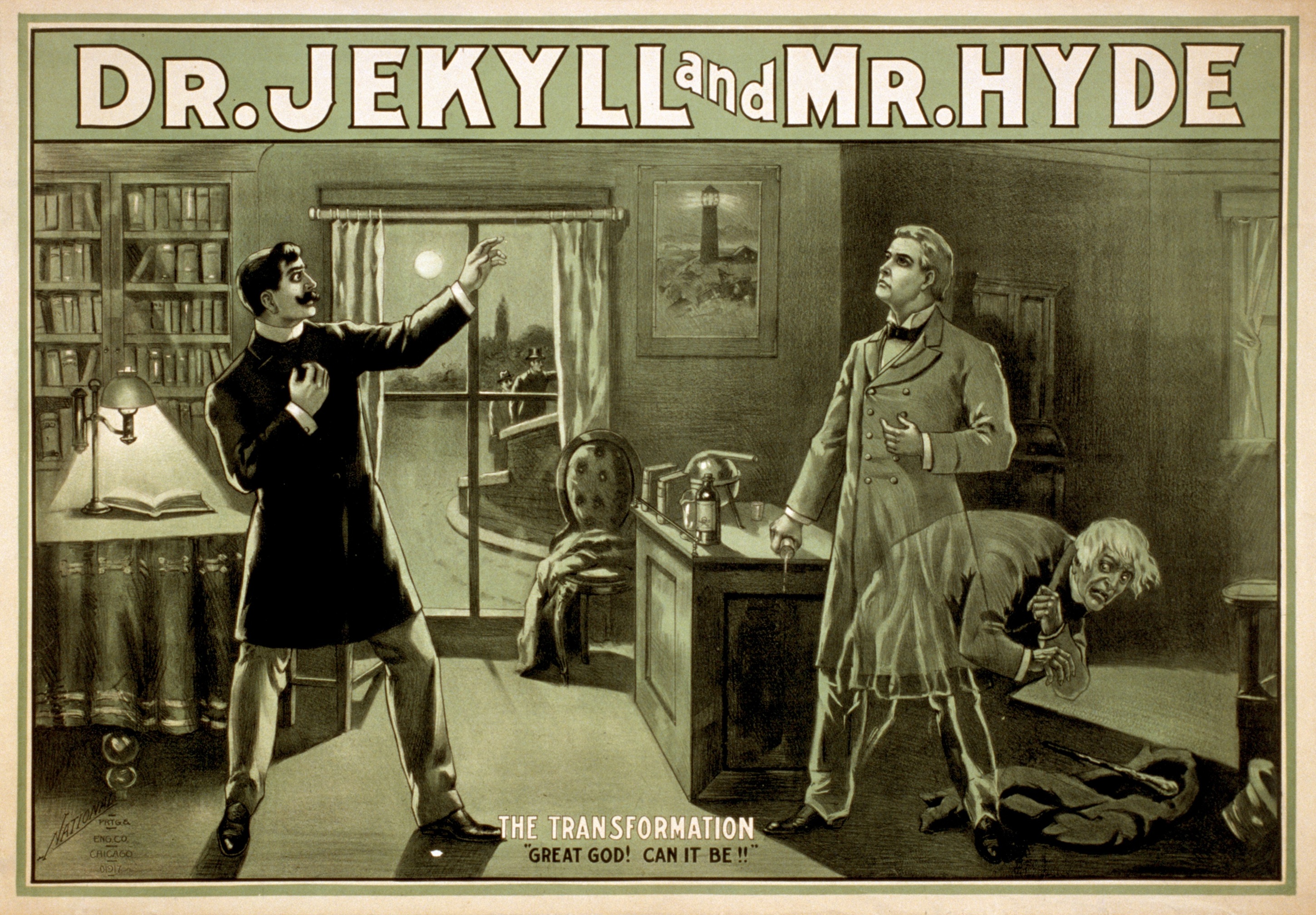
stories include Frankenstein, Dracula and Dr Jekyl and Mr Hyde
 - Frankenstein was was written in 1818 by Mary Shelley and is responsible for the trend of the science
fiction genre
- Frankenstein was was written in 1818 by Mary Shelley and is responsible for the trend of the science
fiction genre
- Thefilm Dracula was produced in 1931 and directed by Todd Browning
-
Dr Jekyl
and Mr Hyde was
originally published as Strange case of
Dr Jekyl and Mr Hyde and written by
Robert Louis Stevenson in 1886
Horror
of the silent era - German expressionism:
- In the nineteenth century,
audiences enjoyed seeing still camera
shots of 'ghosts'
- TheLumiere brothers designed a
sketch of a dancing skeletonin
1895
- Thefirst
recorded horror film was published in 1896and
was called 'Le Manoir du Diable'
- German Expressionism was
very popular in Germany during the WW1and
extremely popular in Berlin during th
1920's
Monsters
and Mad Scientists 1930s:
-
Sound allowed horror films to be
reborn in the 1930's with
monsters and
mad scientists being the
main characters
- Universal Studios began
in the 1930's and were known for their horror films such as Dracula and Frankenstein
- 80 million peopleattended
the cinema weekly in the 1930's - it provided somewhere away from the
depression of the war

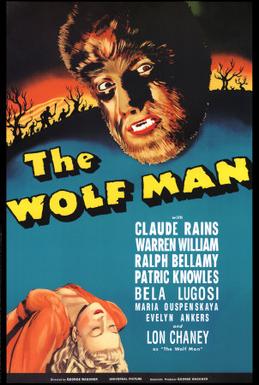
Werewolves
and Cat people 1940s:
-the war caused humans to be the most scariest 'monsters', thus
films were focused on human hybrids such a werewolvesor
cat people
- Adolf
means 'Noble wolf’ in
old German - the mediaused
this to scare people in
the1940's
- Werewolf’scould be seen as Nazi's - the idea
they bite you and pass on their
'condition'
- The media linked the
idea of cats with womanas
they were both seen as being sly and
gracious
- The film Cat people - a film where
the females dominatedthe
males by seducing themand killing them

Mutant
creatures and alien invaders 1950s:
- The first alien invaders film was in
the 1950's; a low
budget film called'Rocketship
X-M'
- Monster movie films
stemmed from the fears of the atom bomb
- Invasion
of the Body snatchers was one of the popular 1950's films and focused
on the idea of communism
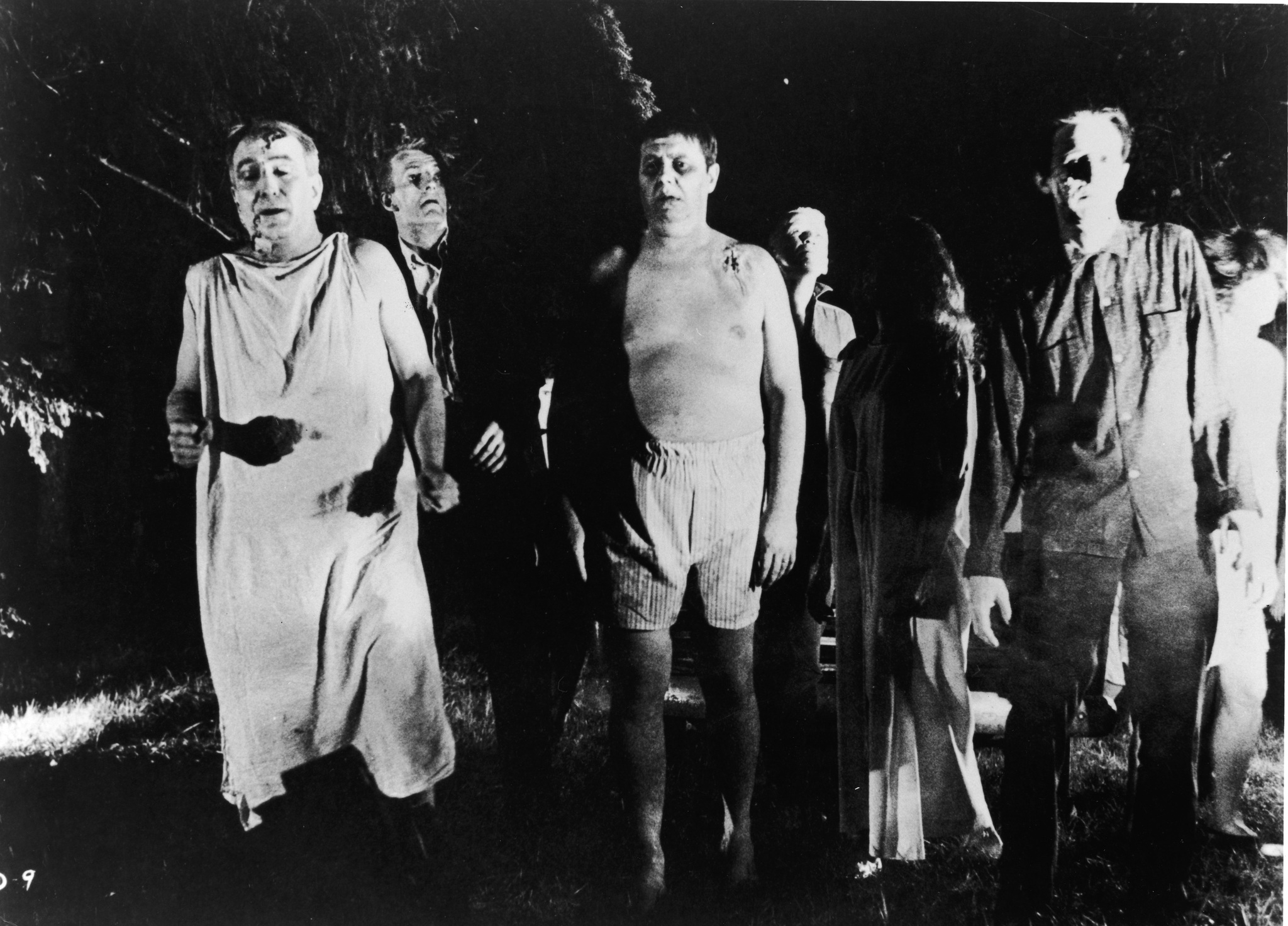
 Ghosts, Zombies,
Satanism and your family 1960-70s:
Ghosts, Zombies,
Satanism and your family 1960-70s:
- Morelow budget gore films
appeared as people were used
to seeing news of the war
- War made films
like this most realistic/relateable
Hammer
Horror:
- Hammer
Horror is a British film
production company which began in 1934
- They were
very popular in the 1950's yet
died down in the 60's
- Created 8 Dracula films
- Director Terence Fisher
created the first Dracula film, Horror of
Dracula
- The company spread worldwideand
their films were unexpectedly big hits
- These films began to
flourish with the advancement
in special FX.
- The Western society were very
interested in material wealth in the 80's.
This meant they didn't want to just have
things, they wanted
others to know they had them.
- Many
think that these films are not as scary as the film typings previously made
as they are missing the mystery.
They are very much 'in your
face horrors'.
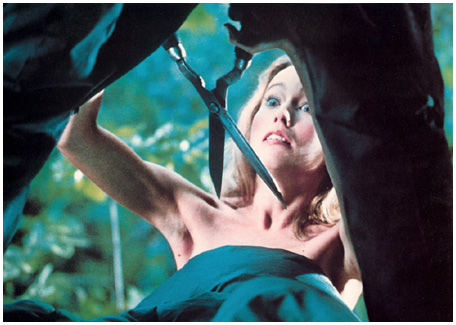
- A trend of films began in the80's focusing on what was inside the body.
- 'Slasher films'
use certain conventions
normally psychopathic killers stalking
teenagers- these films were very popular in the 80's.

Video nasties 1980's:
 - The VHS cassette began a trend of
horror films that were low budget
and not likely to be played in
cinemas.
- The VHS cassette began a trend of
horror films that were low budget
and not likely to be played in
cinemas.
- People started to notice children were also getting hold of the
unsuitable content these films contained.
- This
trend of film did not receive
the mandatory rating
films have to have if they are
put into cinemas.
- During
the 80's, there was a list of 39 video nasties that
were banned in the UK.
Gore
returns 2000's:
- Edelstein
suggest we watch these films for the
physical reaction rather than the emotional - much like
porn.
- Many films were now being published containing very graphic torture.
- The 2004 reports
of the US Army being accused of
torturing prisoners meant these films
became very realistic.
- In 2007, the film
Captivity was criticised for going too far with its graphic
images of a tortured
woman.
-Gorenography
could be viewed as fizzled out
by the end of the decade.







No comments:
Post a Comment